
Last Updated on January 21, 2026 by Andrew Mckiggan
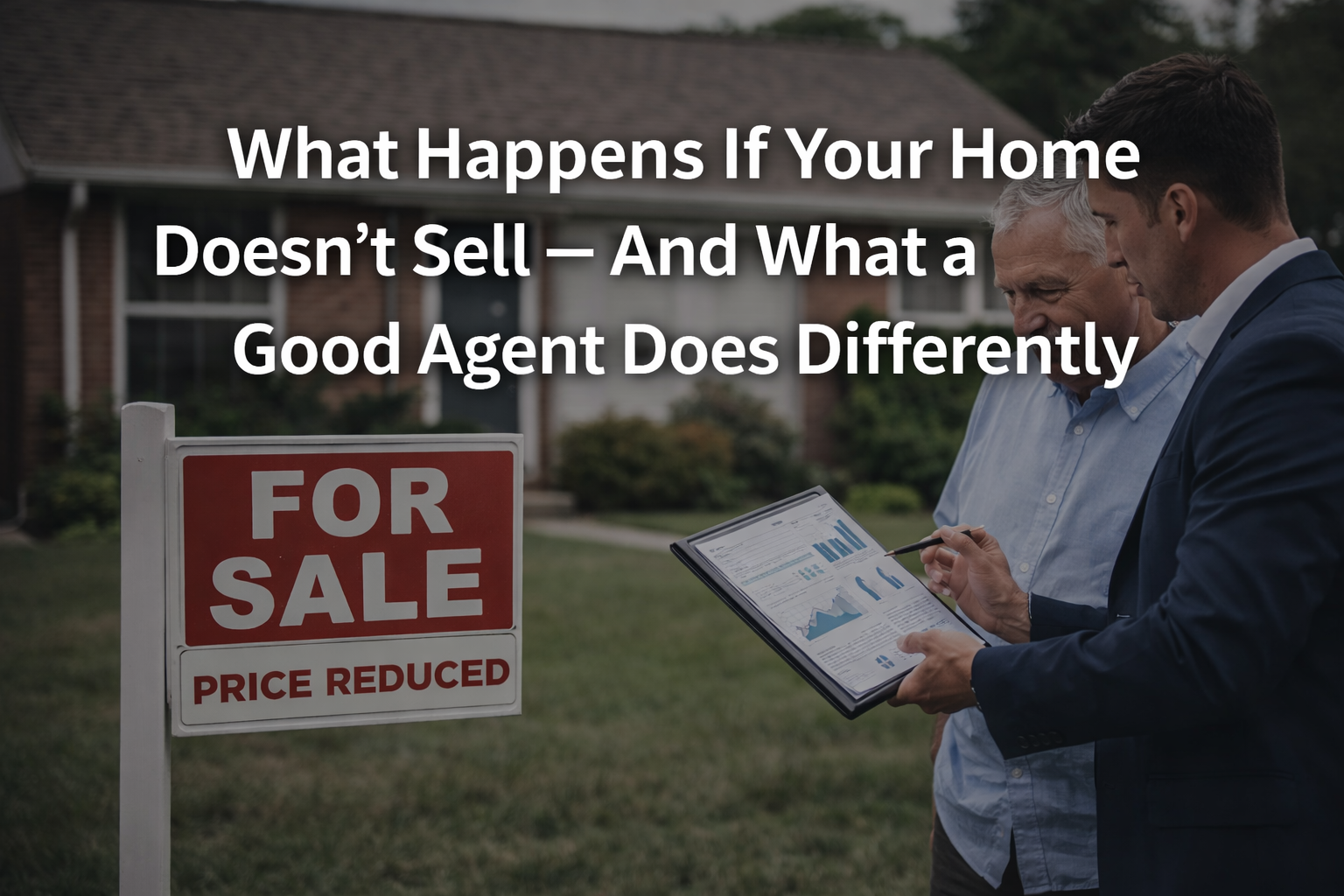
One of the most common reasons a home fails to sell isn’t the initial price — it’s leaving a listing mispositioned for too long once the market has already responded.
When a property doesn’t sell, many owners assume the market is to blame or that the timing was unlucky. In reality, unsuccessful campaigns are rarely caused by a single factor. They usually reflect how pricing, presentation, targeting, and strategy were handled once real buyer feedback began to appear.
This article explains what happens when a home doesn’t sell, why property listings fail, and how experienced real estate agents manage unsuccessful campaigns differently. It’s written to help sellers understand the risks, evaluate what went wrong, and recognise what actually influences outcomes.
What Really Happens When a Property Doesn’t Sell
When a listing remains unsold, the market response changes over time.
Key insight:
Time on market is not neutral. As days pass without meaningful enquiry, buyer perception shifts — often regardless of the home’s actual quality.
Early stage (weeks 1–2)
Buyers assess value, compare alternatives, and decide whether the property is worth pursuing.
Middle stage (weeks 3–6)
Attention often shifts from interest to questioning. Buyers begin to wonder why the home is still available.
Extended stage
Negotiations increasingly favour buyers, regardless of the property’s actual quality. The longer a listing remains active, the harder it becomes to defend its original positioning.
A skilled agent works to prevent a property from entering later stages unnecessarily.
Why Homes Usually Fail to Sell (It’s Not One Thing)
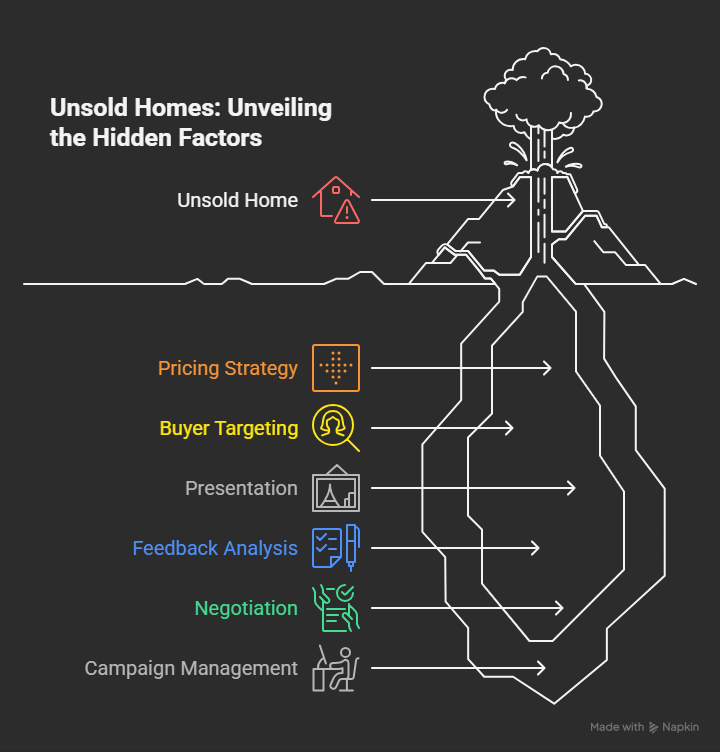
Contrary to common belief, unsold homes are rarely the result of a single mistake.
Common contributing factors include:
- Incorrect pricing strategy at launch
- Weak buyer targeting
- Poor presentation or photography
- Limited inspection feedback analysis
- Lack of negotiation strategy
- Passive campaign management
Important:
Most failed campaigns don’t start with a “bad home” — they start with decisions that aren’t corrected once the market responds.
Incorrect pricing often traces back to flawed assumptions made at the appraisal stage, and understanding how to spot property appraisal issues early can prevent a campaign from being mispositioned before it even begins.
| Passive Agent Behaviour | Strategic Agent Behaviour |
|---|---|
| Quotes a high price to secure the listing | Uses buyer data to position the property where competition exists |
| Blames “the market” when enquiry is weak | Analyses why buyers are not engaging |
| Waits for enquiries to improve | Actively creates feedback loops |
| Reacts late with multiple price drops | Adjusts strategy decisively within the first 14 days |
What a Good Agent Does Differently — From Day One
The difference between a listing that fails and one that sells is almost always process, not promises.
Core difference:
Strong agents respond to evidence. Weak agents wait for hope.
They Price Strategically — Not Optimistically
Experienced agents don’t rely on generic online estimates or inflated prices designed to “test the market”. They assess buyer behaviour, understand pricing sensitivity, and position the property where competition already exists — rather than hoping buyers will stretch later.
They Control the First 14 Days Carefully
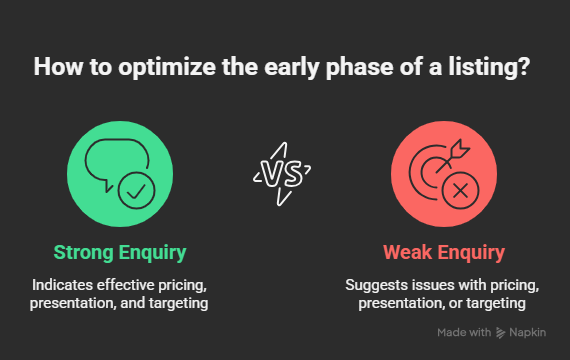
The early phase of a campaign is critical.
Why the first 14 days matter:
Buyer activity is typically strongest at the start of a listing. If meaningful enquiry hasn’t occurred within the first two weeks, it usually indicates resistance in pricing, presentation, or targeting rather than a lack of buyers.
Early feedback provides valuable information, and adjustments made at this stage carry far fewer consequences than changes made later.
They Actively Manage Buyer Psychology
Selling property is not passive.
Good agents recognise the difference between hesitation and rejection. They understand when buyers need clarity rather than pressure, and they know how to maintain momentum without undermining credibility.
Common failure point:
Many listings don’t fail because there are no buyers — they fail because buyer uncertainty is left unmanaged.
They Fix Problems Early — Before the Listing Goes Stale
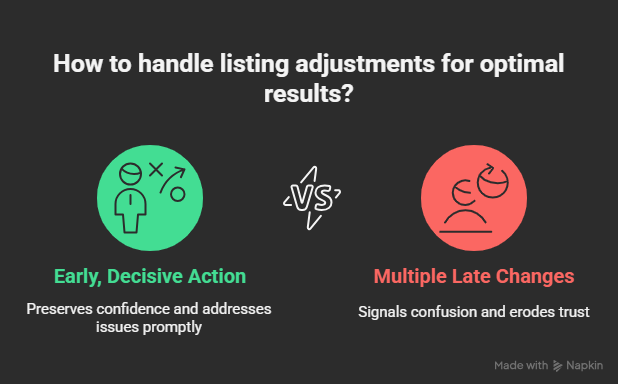
When something isn’t working, a strong agent identifies the underlying issue, makes one clear adjustment, and explains the reasoning behind it.
Market signal to avoid:
Multiple late changes often signal confusion, whereas early, decisive action preserves confidence.
What Happens When a Listing Is Withdrawn
Withdrawn listings rarely reset as cleanly as sellers expect.
Buyers often remember them. Future listings may attract additional scrutiny. Pricing can become harder to justify, and confidence in the campaign is already weakened.
Reality check:
Preventing a failed campaign is almost always easier than repairing one.
The Real Cost of a Failed Sale
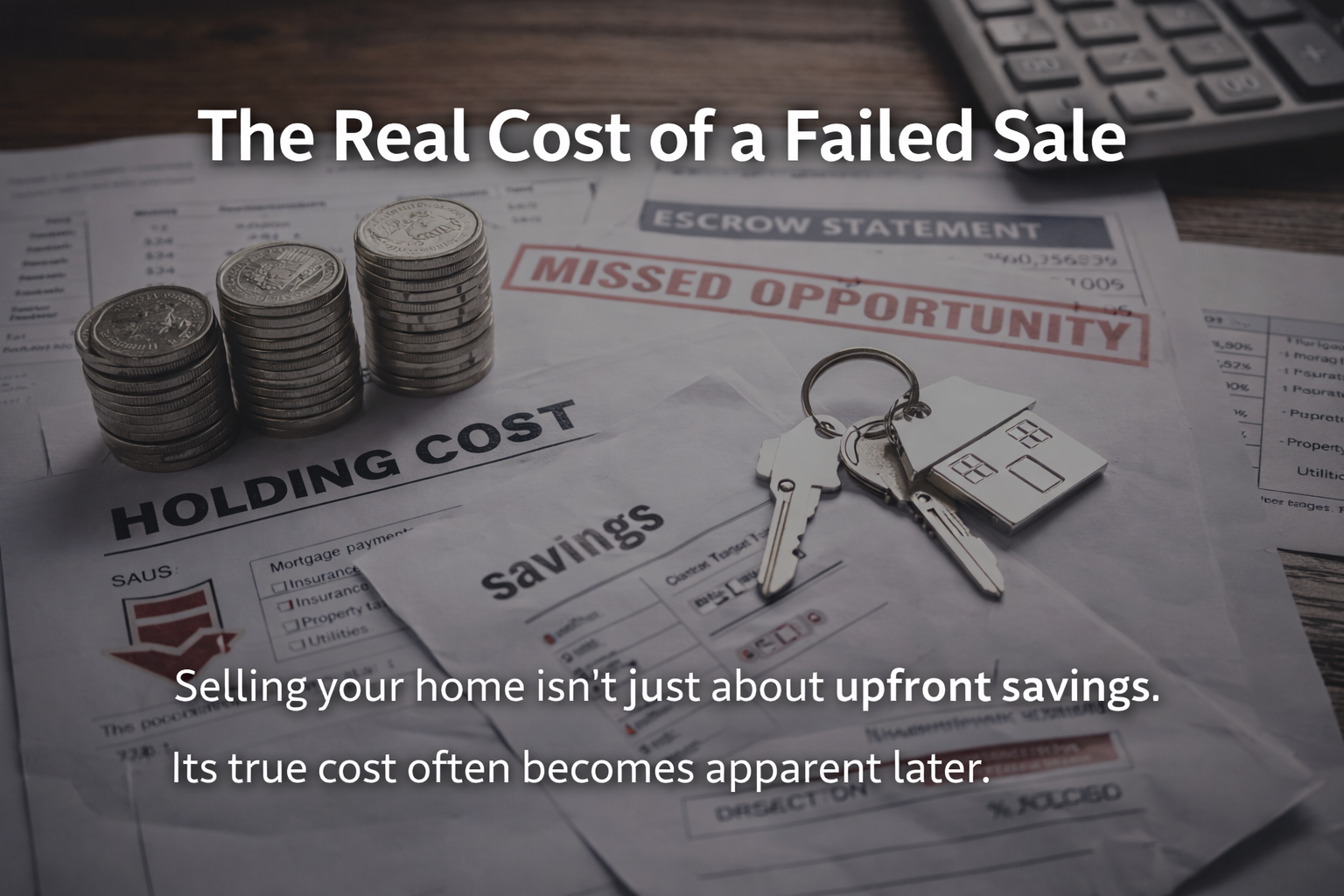
The impact of an unsuccessful campaign extends beyond price.
It can lead to extended holding costs, missed buying opportunities, and unnecessary stress. In many cases, focusing too narrowly on upfront savings obscures the broader financial and strategic risks involved when a campaign underperforms.
Many sellers focus narrowly on fees, but the bigger question is how agent costs relate to outcomes, particularly when strategy, timing, and risk management are factored in.
What to Do If Your Home Isn’t Selling
If a property hasn’t sold — or early activity is weaker than expected — guessing is rarely helpful.
Better approach:
Identify where resistance is occurring: pricing, presentation, targeting, or campaign strategy.
Evaluating how an agent manages risk and responds to market feedback matters just as much as the fee they charge.
Questions And Answers About Unsold Properties and Failed Sales
Why do some homes fail to sell even in a good market?
Homes usually fail to sell because of how they are positioned once buyer feedback starts to emerge. Pricing, presentation, and targeting all interact with buyer expectations. Even in strong markets, a listing that does not align with buyer behaviour can struggle to gain traction.
Does a home sitting on the market mean it is overpriced?
Not always, but extended time on market often indicates some form of resistance. This can relate to price, presentation, or how the property compares to alternatives. Over time, buyers may assume the price is negotiable even if the original price was reasonable.
How does time on market affect buyer perception?
Buyers tend to pay close attention to how long a property has been listed. As time passes without a sale, buyers may begin to question the property’s value or assume there are underlying issues. This shift in perception can affect negotiation outcomes.
What usually happens if a property listing is withdrawn?
When a listing is withdrawn, it does not fully reset buyer perception. Buyers may remember the previous campaign and scrutinise future listings more closely. Pricing and credibility can be harder to re-establish after a withdrawal.
Is reducing the price always the solution when a home doesn’t sell?
Price reductions can help in some situations, but they are not always the first or only solution. In many cases, issues with presentation, targeting, or messaging need to be addressed alongside pricing decisions to improve results.
Why are the first few weeks of a sales campaign important?
Early stages of a campaign typically generate the strongest buyer interest. Feedback received during this period provides valuable information about how the market views the property. Adjustments made early tend to have fewer long-term consequences than changes made later.
Can a failed campaign affect the final sale price?
Yes. A prolonged or unsuccessful campaign can weaken negotiating position and reduce buyer urgency. This can result in lower offers than might have been achieved with stronger early positioning.
How do agent decisions influence whether a home sells?
Agent decisions around pricing strategy, buyer feedback analysis, and timing of adjustments can significantly influence outcomes. The way a campaign responds to market signals often matters as much as the property itself.
Are holding costs a factor when a home doesn’t sell?
Holding costs such as mortgage interest, council rates, insurance, and maintenance can accumulate over time. These costs are often overlooked when focusing only on upfront selling expenses.
Is focusing only on commission a reliable way to choose an agent?
Commission is one factor, but it does not capture how a campaign is managed or how risks are handled. Outcomes are often influenced more by strategy, timing, and decision-making than by fee structure alone.
Can a home that doesn’t sell still achieve a good result later?
Yes, but recovery usually depends on identifying and correcting the original issues. The earlier problems are addressed, the easier it is to restore buyer confidence and improve outcomes.
How can sellers assess whether a campaign is underperforming?
Indicators include low enquiry levels, limited inspections, repeated price changes, or buyer feedback that does not improve over time. These signals often point to misalignment between the listing and buyer expectations.
Final Thought
A home that doesn’t sell isn’t a failure — it’s a signal.
The difference between sellers who recover successfully and those who don’t usually comes down to who is guiding the process, how early issues are addressed, and whether strategy replaces hope.
Disclaimer
The information in this article is provided for general educational purposes only and reflects common market principles rather than the circumstances of any individual property or transaction. Property outcomes can vary based on location, market conditions, and specific property characteristics. This content is not intended to replace professional advice tailored to a particular situation.

